


Jeroen Smits
Sales Manager
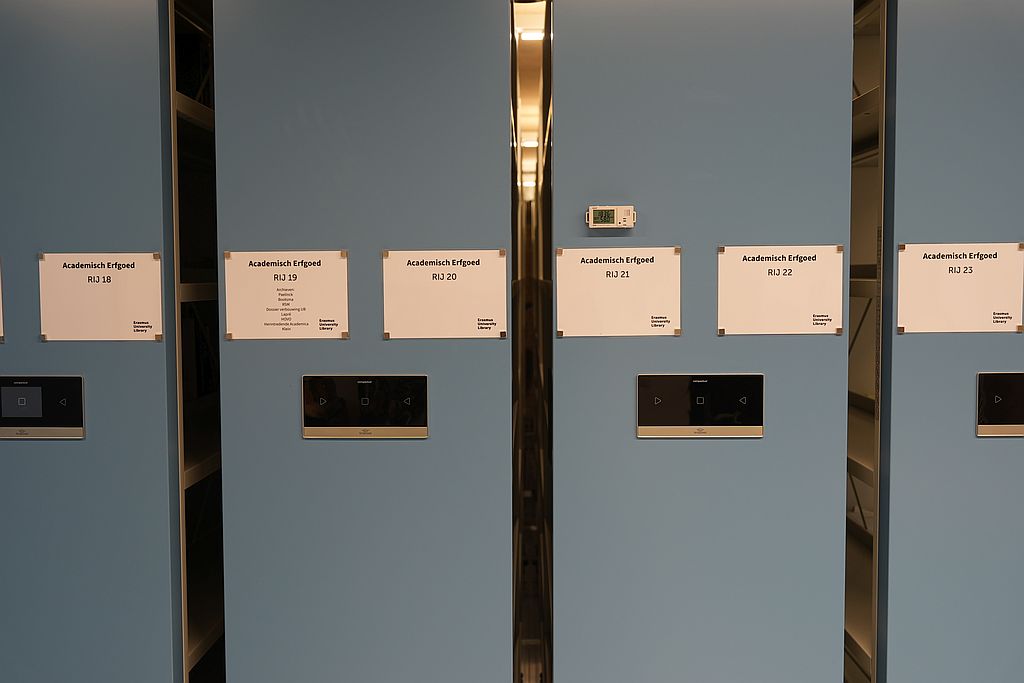
The University Library (UL) of Erasmus University Rotterdam (EUR) plays a central role within the academic ecosystem. It supports students, researchers, lecturers, and staff by providing access to high-quality content and data. In addition, the UL preserves and presents all scientific output of both EUR and Erasmus MC, with the aim of increasing the visibility and long-term accessibility of these research results. Beyond its digital role, the UL also functions as the institutional memory of the university. It manages academic heritage as well as written heritage related to the city of Rotterdam. These collections are carefully preserved in both open-access areas and a large storage facility, where loanable and non-loanable materials are safely stored. The UL also houses a Special Collections department, including early printed books and unique historical works. For collections of this nature, stable climate conditions are essential. Even small, long-term fluctuations in temperature and relative humidity can cause gradual yet irreversible damage to paper, bindings, and printed materials. Accurate and continuous climate monitoring is therefore a crucial prerequisite for sustainable heritage preservation.
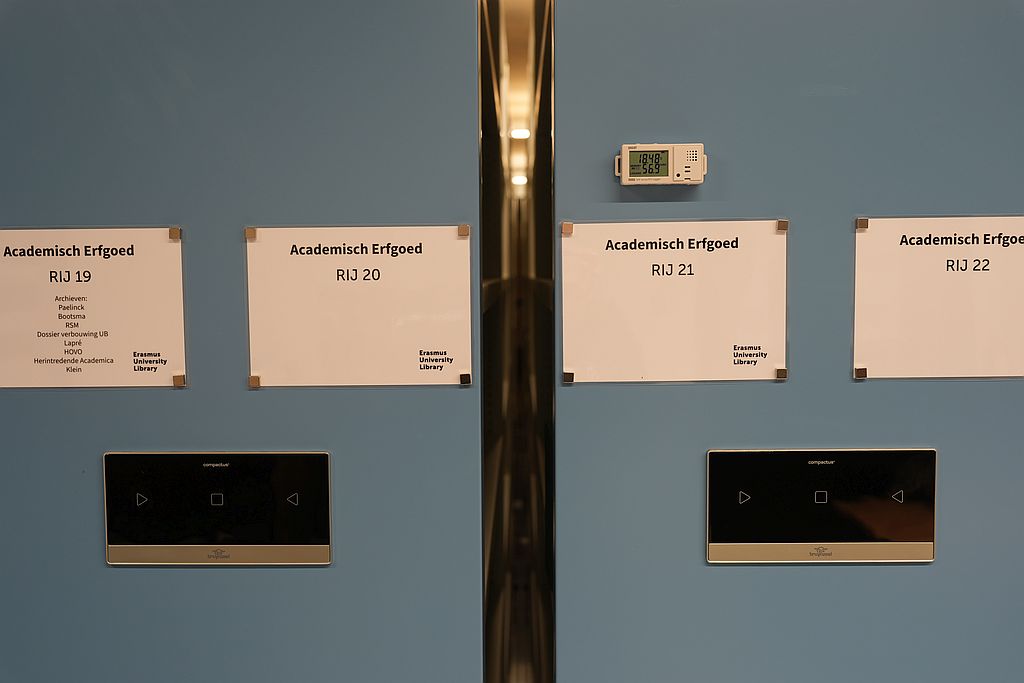
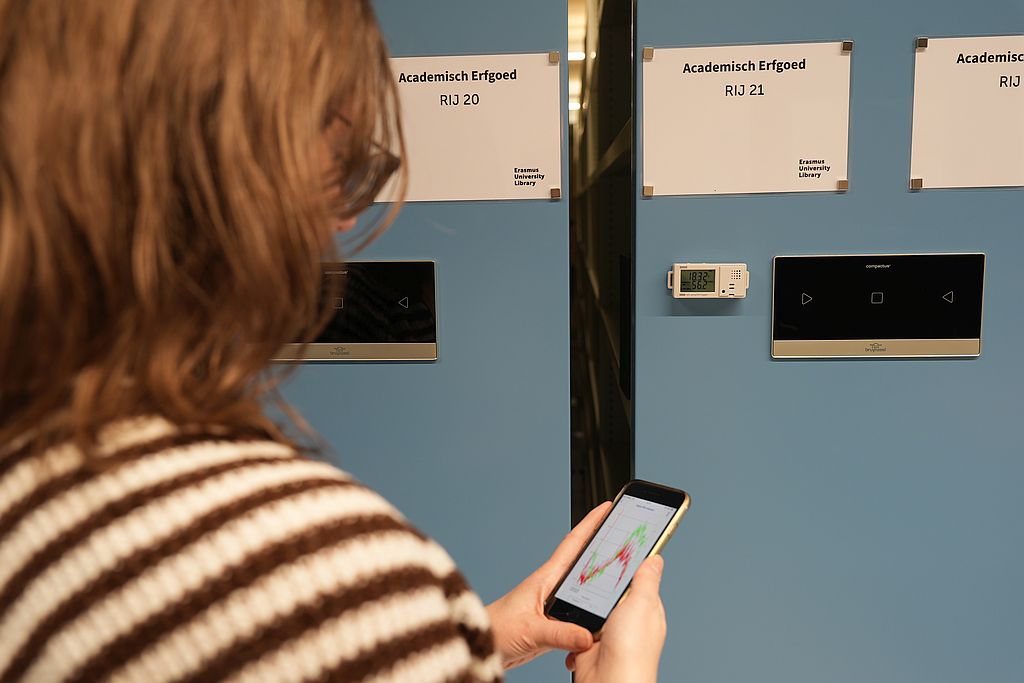
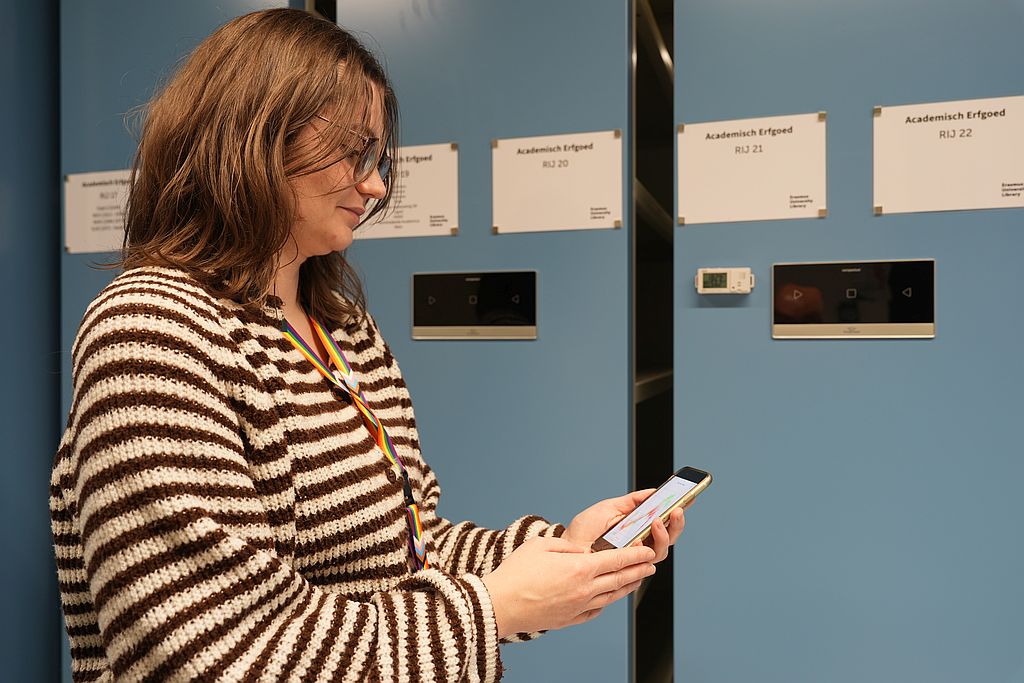
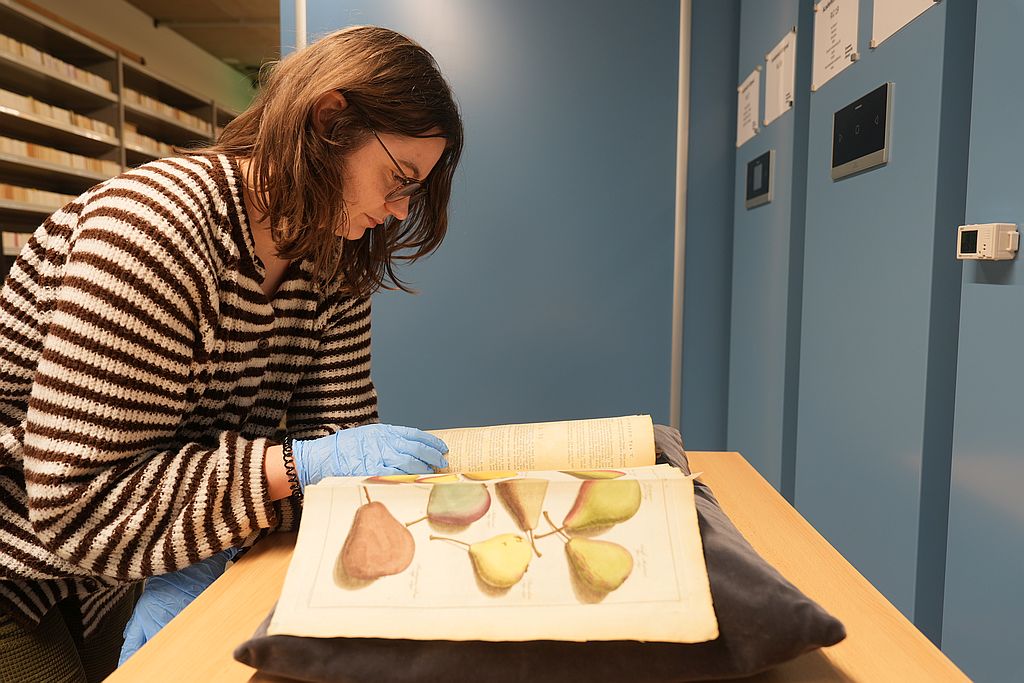
As a heritage officer at the University Library, I am responsible for managing, conserving, and providing access to the collections. My primary task is to ensure the long-term preservation of the collection. This requires precise monitoring, stable indoor climate conditions, and a proactive approach to preventing damage to valuable heritage materials.
Within the Physical Collections department, the preservation of the existing collection is paramount. To safeguard this, it is essential to continuously and accurately monitor climate conditions — particularly temperature and relative humidity. Fluctuations in these parameters can directly affect the condition of paper, bindings, printed works, and other vulnerable materials.
The University Library therefore sought reliable measuring equipment that would:
Record long-term trends
Be easily accessible to multiple colleagues
Operate independently without mains power
Help identify deviations at an early stage
Although the university has a central climate control system, additional independent monitoring proved necessary. Existing manual equipment provided insufficient insight into trends and was too cumbersome for sustainable conservation management.
There was a clear need for data loggers that:
Operate autonomously
Are easy to use
Can store data over long periods
Allow data to be easily shared within the team
Pedak started by gathering additional information, including the number of rooms, the size of storage areas and display cases, and the types of materials being stored. Based on this, several suitable data loggers were proposed.
The library ultimately selected a system that:
Can start small (with a single logger) and scale up easily
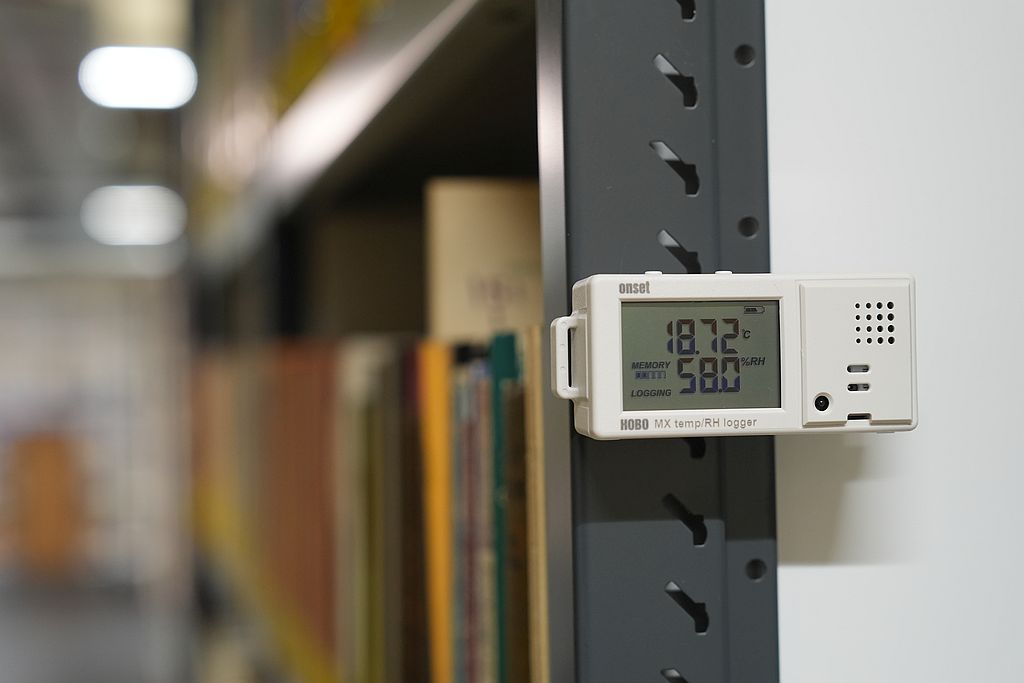
Allows data to be read via Bluetooth and a mobile app
Displays measured values on-site, which is highly practical during inspections
Does not require a fixed power supply
Can be flexibly deployed in both storage areas and display cases
Pedak even offered the option to test the solution in practice by lending a logger — a valuable step in the decision-making process.
The collaboration with Pedak has been experienced as very positive. Questions are answered quickly and thoroughly, and Pedak actively thinks along from the perspective of the University Library’s needs. A Pedak specialist also visited the site to assess the situation and discuss specific challenges.
This visit — and the tailored advice provided — were experienced as pleasant, friendly, and highly professional. The combination of product expertise, customer focus, and accessibility made a clear difference.
Thanks to the new data loggers, the University Library now has significantly better control over climate conditions in storage areas and display cases. Key improvements include:
Faster detection of deviations, enabling immediate corrective action
Improved registration of climate trends over weeks, months, and years
Greater control over the conservation process, essential for heritage preservation
Easy data sharing with colleagues within the department
Increased reliability of the documentation and monitoring system
The result: more stable storage conditions, reduced risk of damage, and a stronger foundation for sustainable heritage management.
Photos by: Arie Kers
"We experience the collaboration with Pedak as very positive. Our questions are always answered quickly and accurately, and Pedak actively thinks along based on our specific needs."
Liza Silvius
Erasmus University Rotterdam
Any questions or would you like to receive a quote? Let us know by filling out the form below and our sales team will get in touch.
This website uses modern techniques that are not supported by your web browser. Update my web browser